
Arctic vs Antarctic Travel - What are the Differences & Which one is for you?
When it comes to exploring the Earth's polar regions, the Arctic and Antarctic offer unique and breathtaking experiences. While both are cold, icy, and remote, they differ significantly in terms of wildlife, landscapes, and the best times to visit. Here’s a guide to help you understand these differences and kick-start your adventure planning!
Wildlife: A Tale of Two Poles
Arctic Wildlife
The Arctic is home to some of the most iconic and fascinating wildlife on the planet. Here are a few highlights:
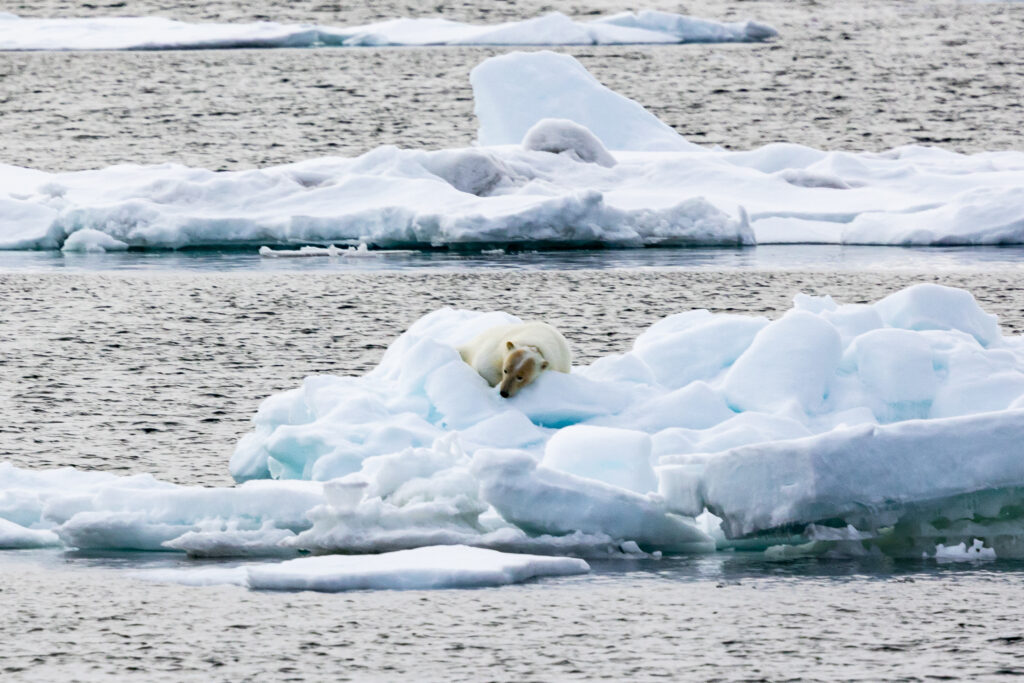
- Polar Bears: The Arctic is the only place where you can see these majestic creatures in the wild. They are the largest land predators on Earth and are well-adapted to the harsh Arctic environment.
- Narwhals: Known as the "unicorns of the sea," narwhals are unique to the Arctic. Their long, spiral tusks are actually elongated teeth and can grow up to 10 feet long.
- Muskoxen: These prehistoric-looking mammals are well-suited to the Arctic tundra. They have a thick, shaggy coat that protects them from the cold and can withstand temperatures as low as -70°F (-57°C). Don't worry! Passenger expedition cruises don't travel in the depths of Winter! It's much more mild in the Summer.
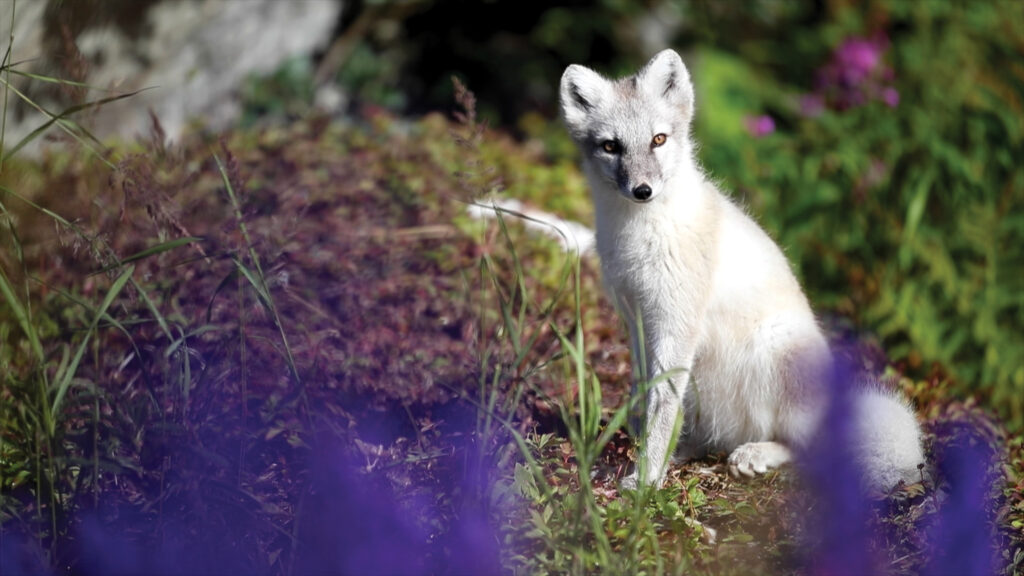
- Arctic Foxes: These small, adaptable foxes are found throughout the Arctic. They have a thick, warm coat that changes color with the seasons, providing excellent camouflage.
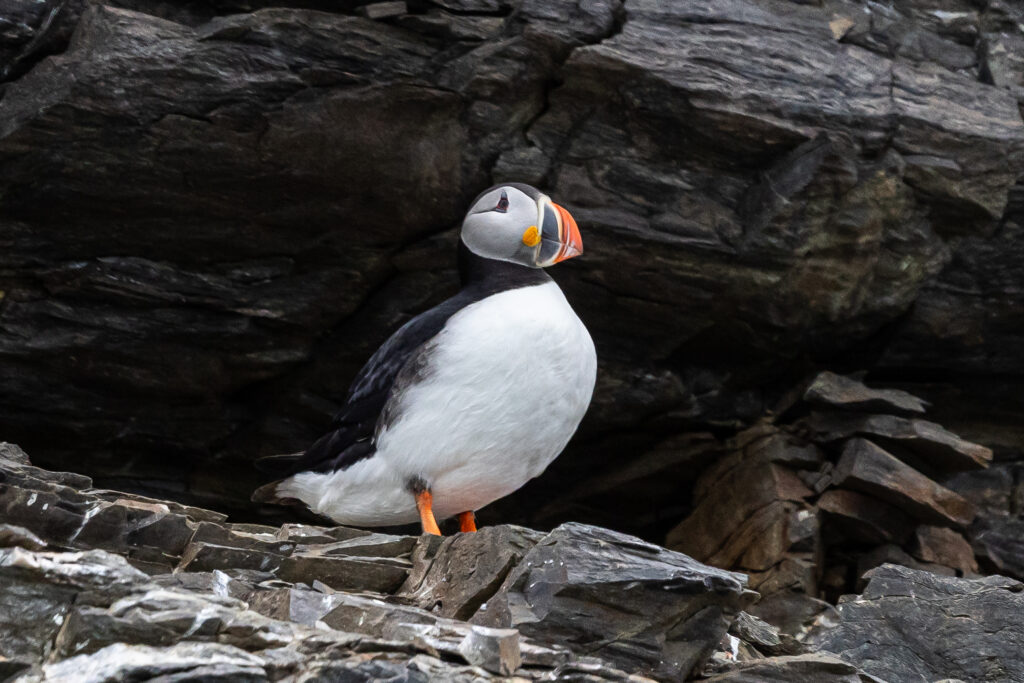
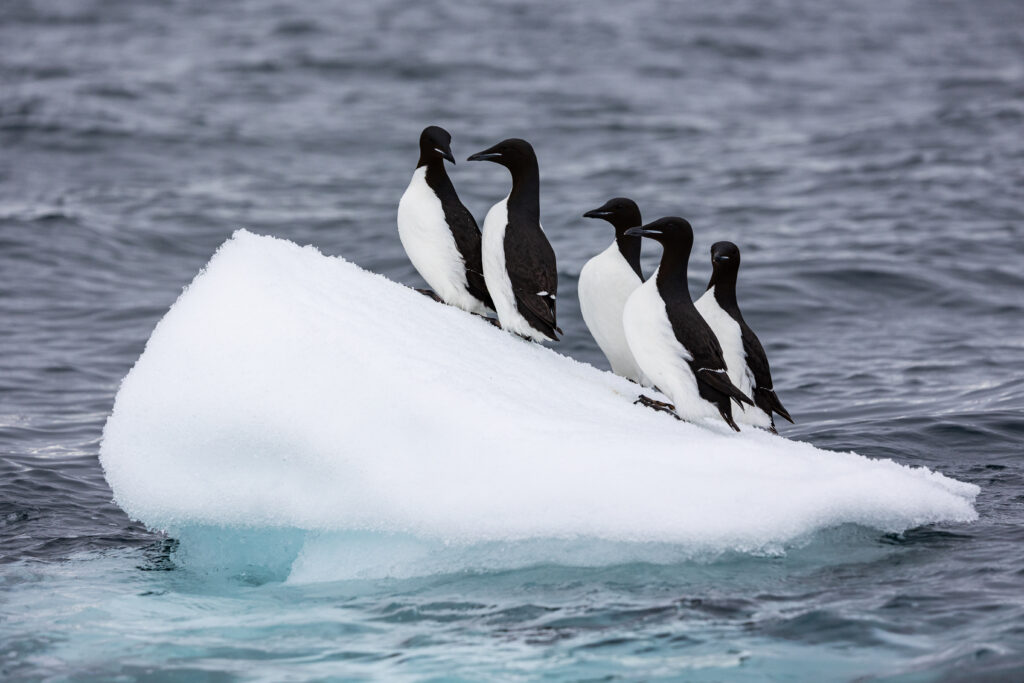
- Birds: The Arctic is home to a variety of bird species, including the Arctic tern, which has the longest migration of any animal, traveling from the Arctic to the Antarctic and back again each year. Other notable birds include the puffin, which is known for its colorful beak, and gullemots, nesting in tightly packed colonies on steep ledges.
Antarctic Wildlife
The Antarctic, on the other hand, is home to a different set of fascinating creatures:
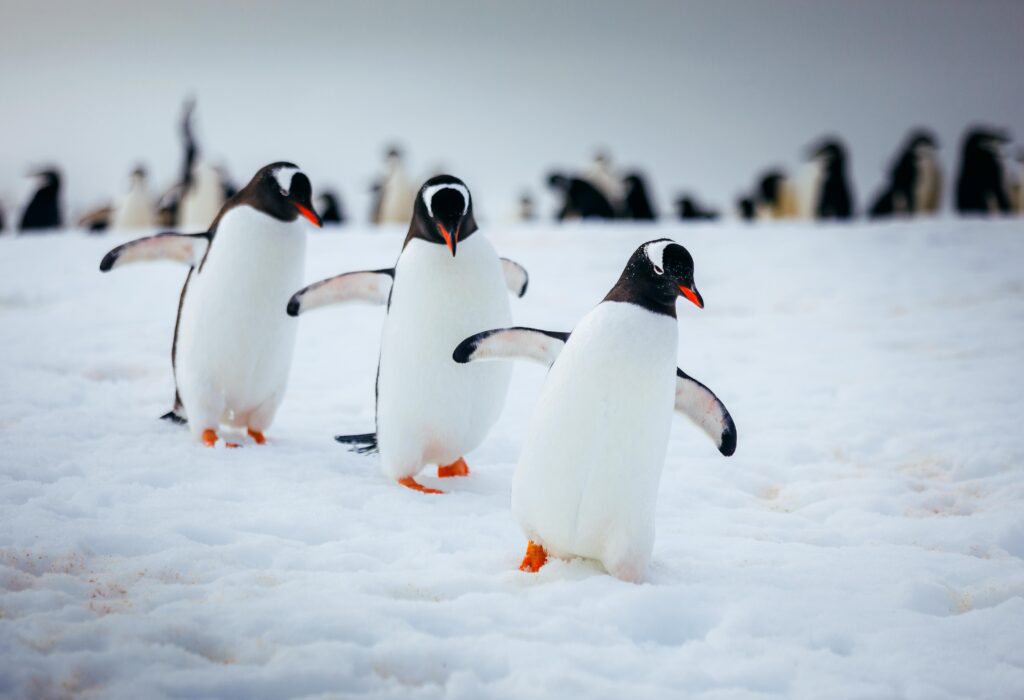
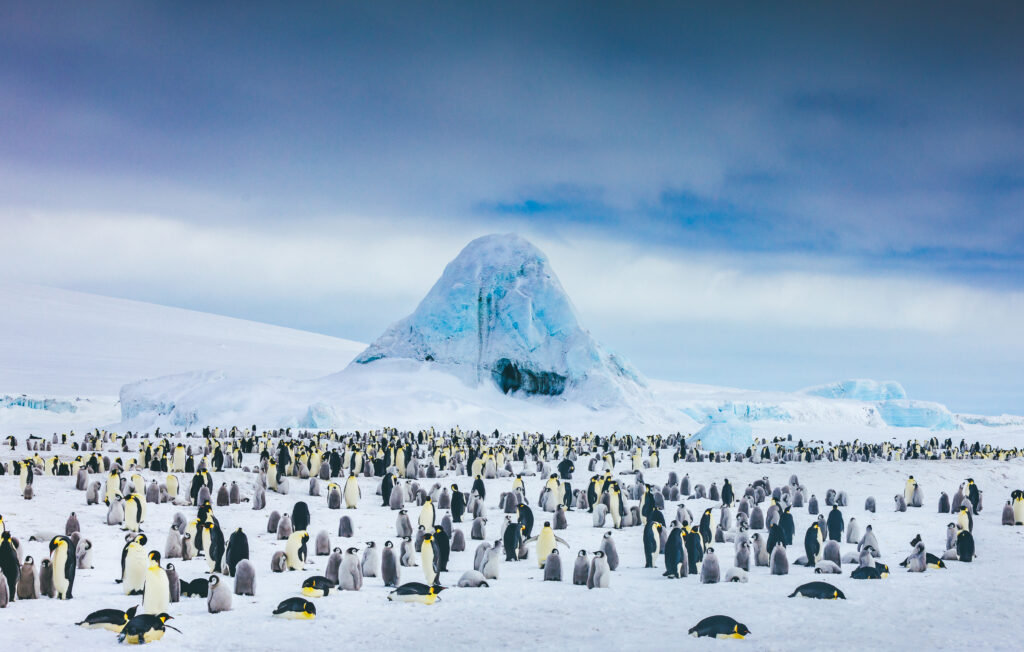
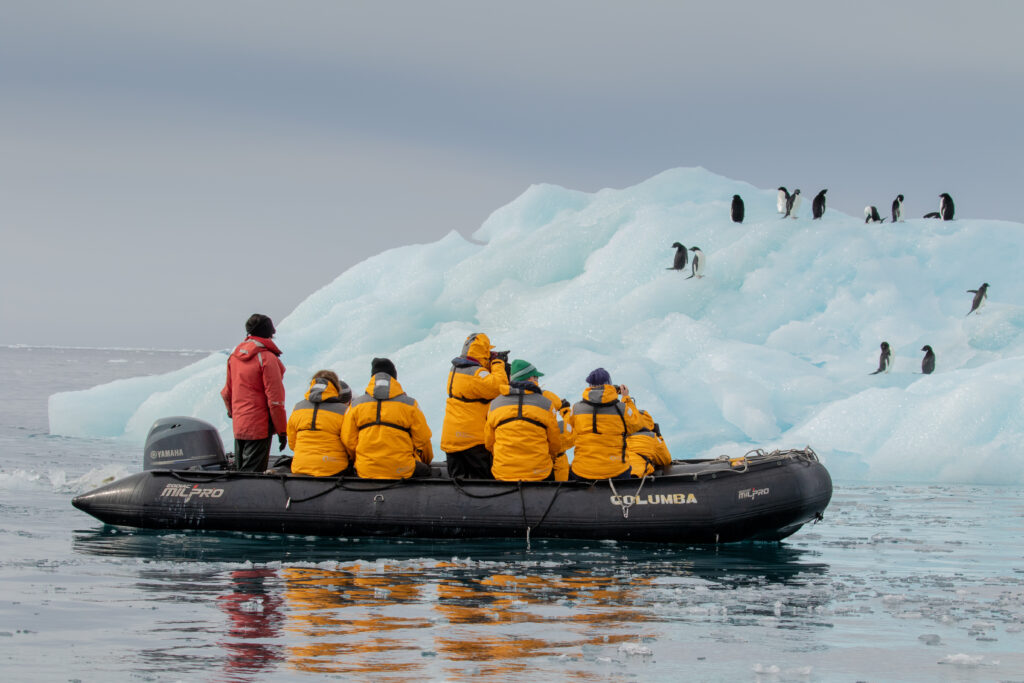
- Penguins: The most famous residents of the Antarctic, penguins are flightless birds that have adapted to life in the cold. There are several species, including the Emperor penguin, which is the largest and can weigh up to 100 pounds (45 kg).
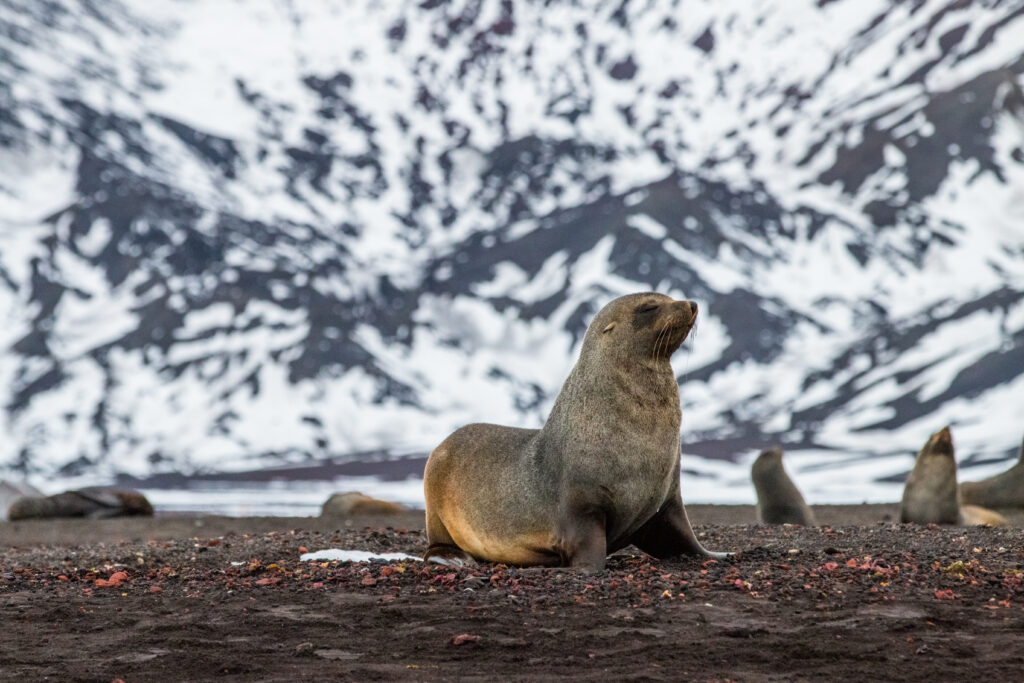
- Seals: The Antarctic is home to several species of seals, including the Weddell seal, which is known for its diving abilities and can reach depths of over 2,000 feet (600 meters).
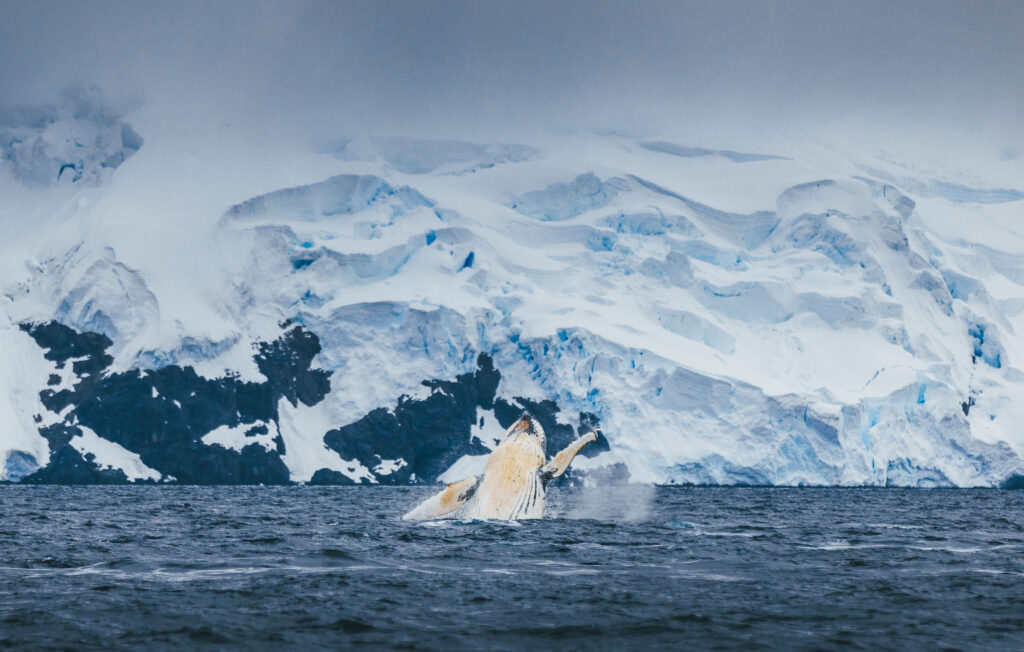
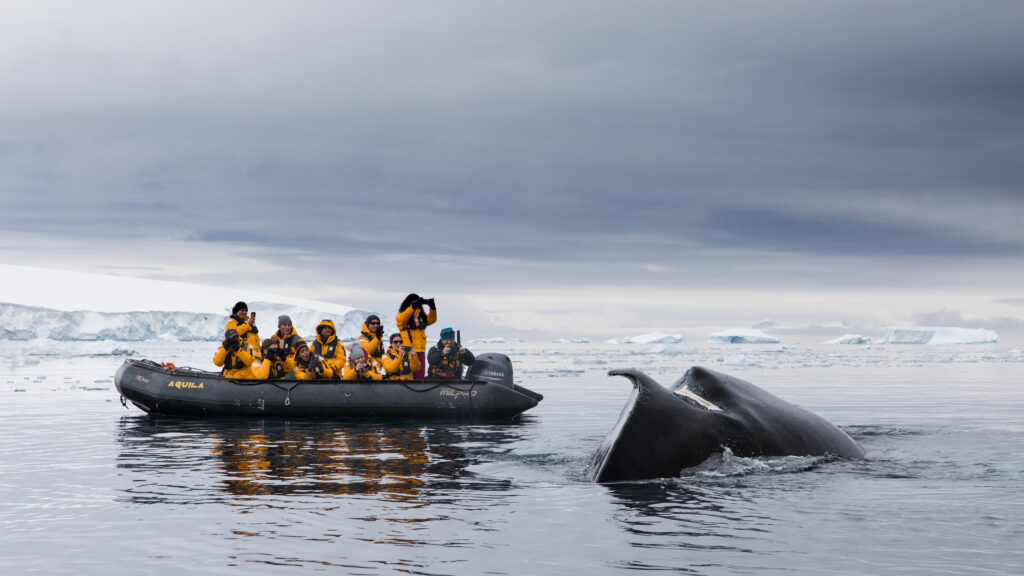
- Whales: The Antarctic is one of the best places in the world to see whales. Species like the humpback whale, minke whale, and orca (killer whale) can be found in the waters around the continent.
- Birds: The Antarctic is home to several species of seabirds, including the albatross, which is known for its impressive wingspan and can travel thousands of miles without landing. Other notable birds include the skua, which is a predatory bird that feeds on the eggs and chicks of other seabirds, and the snow petrel, which is one of the few birds that can breed in the Antarctic winter.
Seasons: When to Visit
Arctic
The best time to visit the Arctic depends on what you want to see and do. Here are some general guidelines:
- Summer (June to September): This is the most popular time to visit, as the weather is relatively mild and the days are long. It's the best time for wildlife viewing, as many animals are active and the tundra is in full bloom. Best time for trips to Greenland, Svalbard and Canada's Northwest Passage.
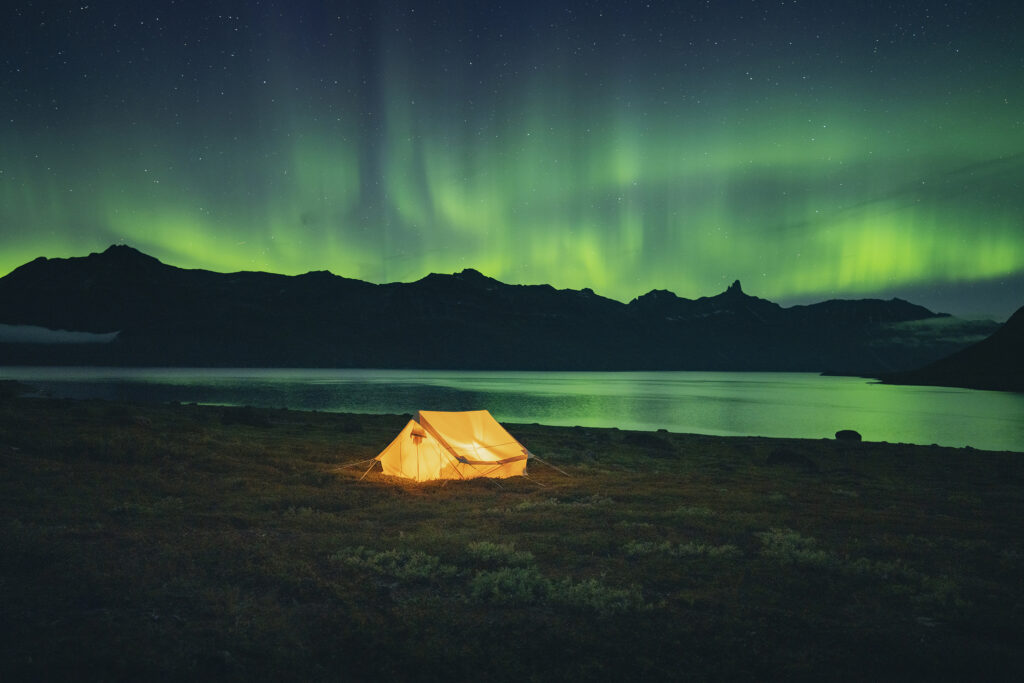
- Winter (November to March): If you're interested in seeing the Northern Lights, winter is the best time to visit. The days are short, and the nights are long, providing ample opportunities to see this natural phenomenon. These trips stick closer to land, such as through the fjords and along Norway's Coast.
Antarctic
The Antarctic is a bit more straightforward when it comes to the best time to visit:
- Summer (November to March): This is the only time of year when it's possible to visit the Antarctic, as the weather is too harsh during the rest of the year. The days are long, and the temperatures are relatively mild, making it the perfect time for exploration and wildlife viewing. Having said that, if you have specific interests such as camping, hiking, whales or certain types of penguins, there are some months that are better than others! We can help you sort it all out depending on what you dream of seeing.
Landscapes: A World of Ice and Snow
Arctic
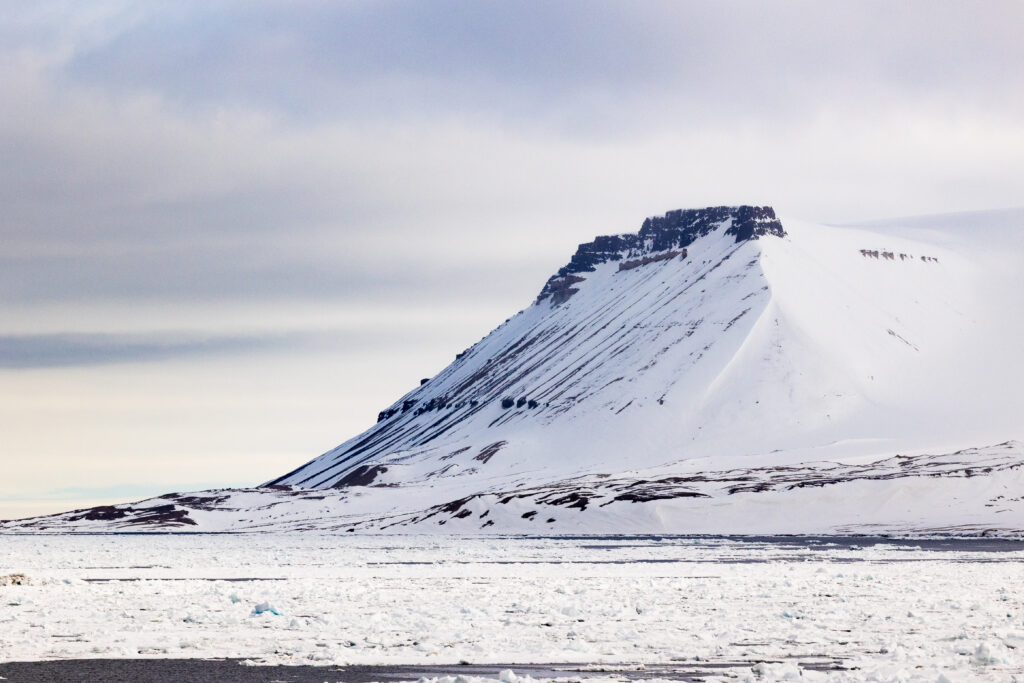
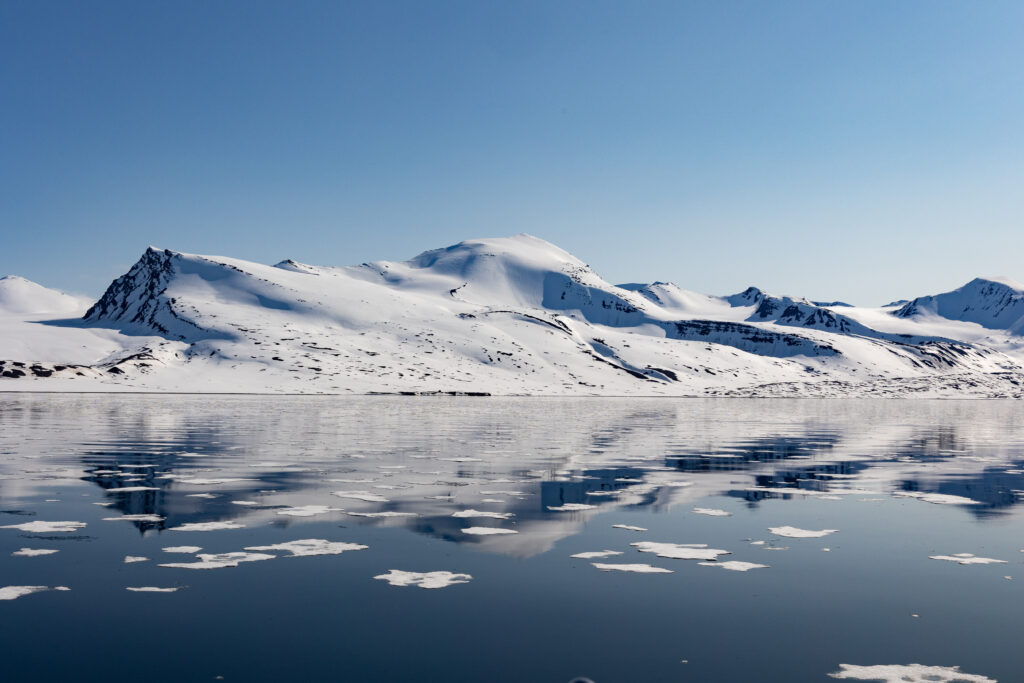
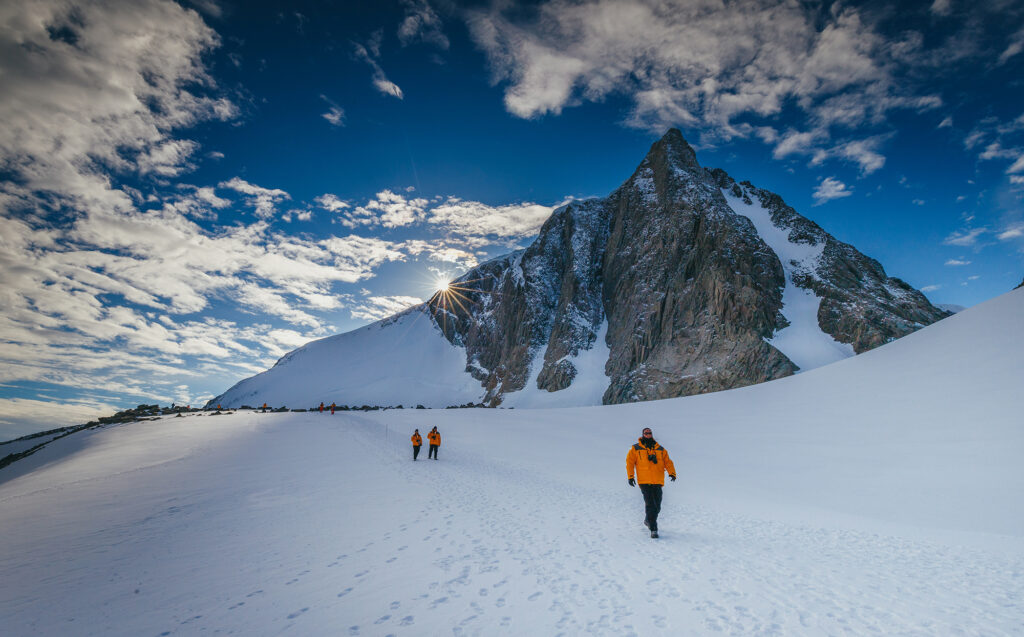
The Arctic is a vast and diverse region that includes parts of Canada, Greenland, Alaska, Russia, and Scandinavia. The landscapes here are varied and stunning:
- Tundra: The Arctic tundra is a vast, treeless plain that is home to a variety of wildlife. It's characterized by permafrost, which is soil that remains frozen throughout the year.
- Fjords: The Arctic is home to some of the most beautiful fjords in the world. These deep, narrow inlets are surrounded by steep cliffs and are often filled with icebergs.
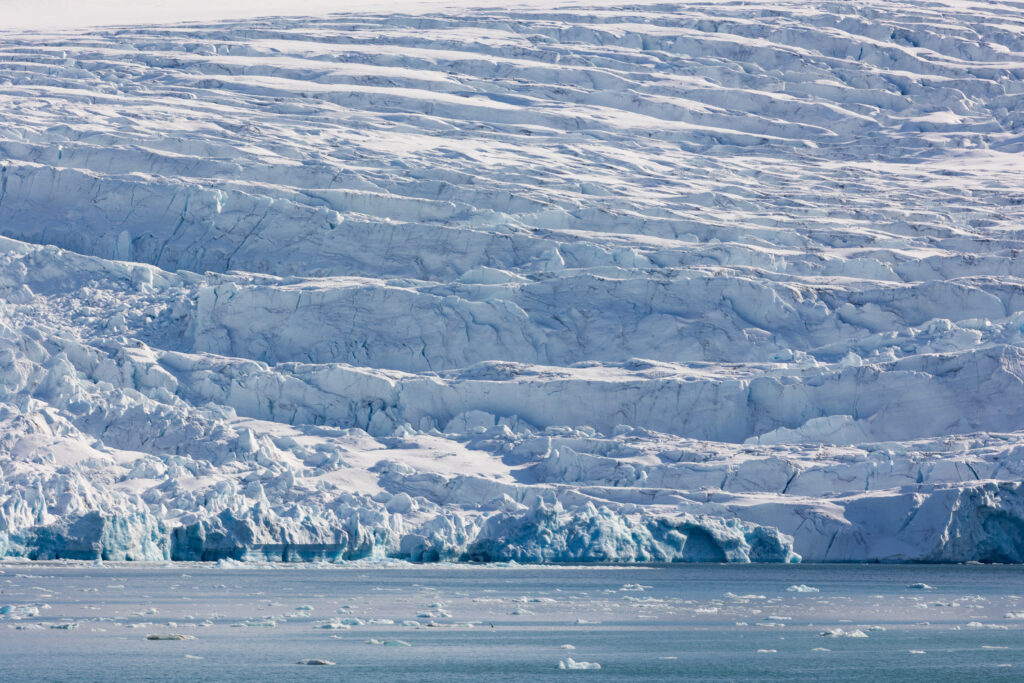
- Glaciers: The Arctic is home to some of the largest glaciers in the world. These rivers of ice can be hundreds of feet thick and move slowly downhill.
Antarctic
The Antarctic is a continent in its own right and is the coldest, driest, and windiest place on Earth. The landscapes here are unlike anywhere else:
- Ice Sheets: The Antarctic is covered by a vast ice sheet that is up to 3 miles (4.8 km) thick. This ice sheet contains about 70% of the world's fresh water.
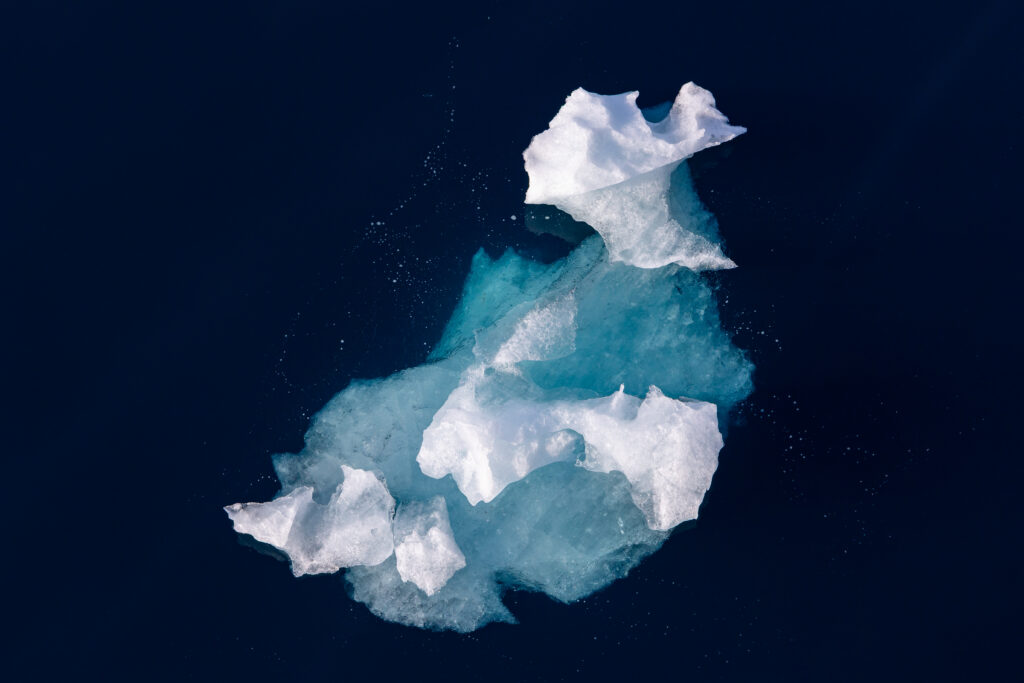
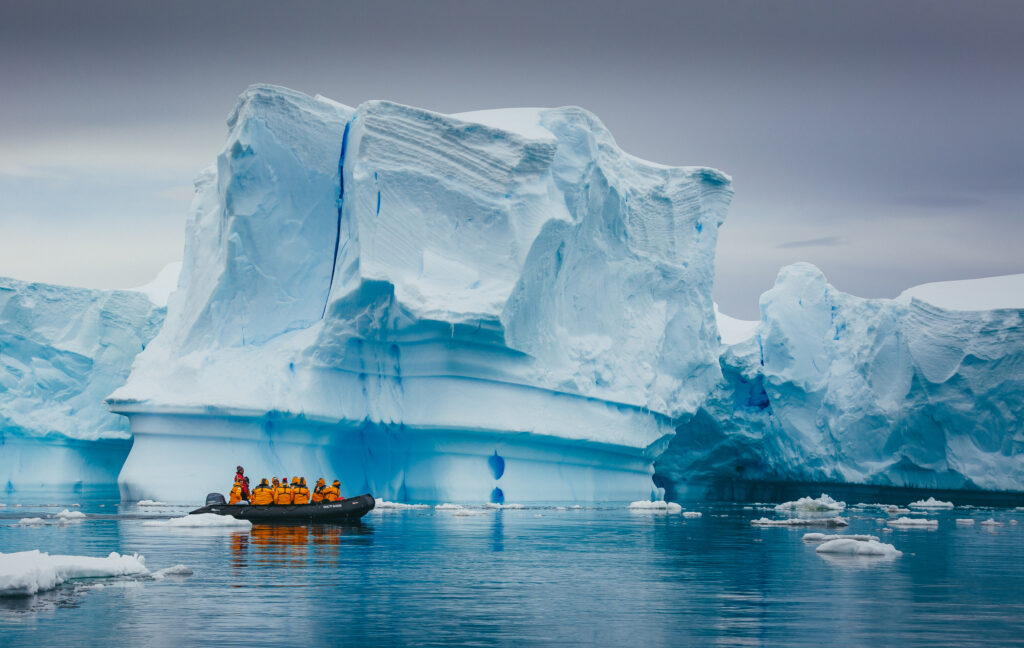
- Icebergs: The Antarctic is home to some of the largest icebergs in the world. These chunks of ice can be as big as a city and can drift for thousands of miles.
- Volcanoes: The Antarctic is home to several active volcanoes, including Mount Erebus, which is one of the most active volcanoes in the world.
History and Cultural Experiences
Arctic
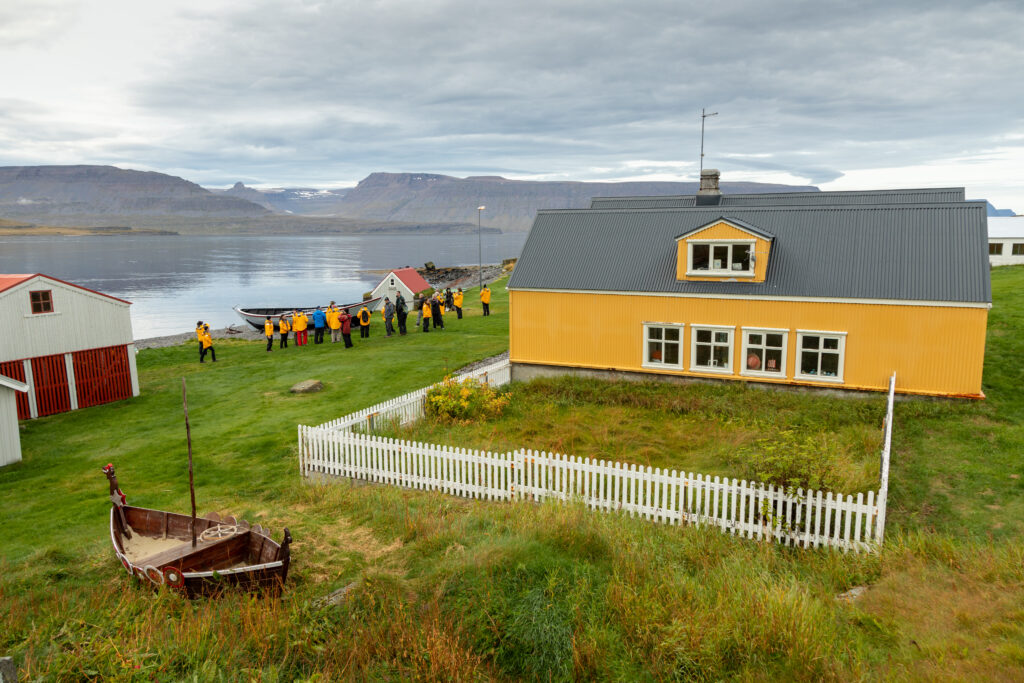
The Arctic has a rich history and vibrant cultural experiences, with indigenous communities that have lived in the region for thousands of years. Here are a few highlights:
- Indigenous Communities: The Arctic is home to several indigenous groups, including the Inuit in Canada and Greenland, the Sámi in Scandinavia, and the Yupik in Alaska. These communities have a deep connection to the land and sea and have developed unique cultures and traditions.
- History: The Arctic has a long history of exploration and discovery. From the early expeditions of Viking explorers to the modern-day adventures of polar explorers, the Arctic has always been a place of mystery and intrigue.
- Cultural Experiences: Visitors to the Arctic can experience traditional Inuit art, music, and dance, as well as learn about the history and culture of the region through museums and cultural centers.
Antarctic
The Antarctic, on the other hand, has a much shorter history of human habitation and very few permanent communities. Here are a few highlights:
- History: The Antarctic was first sighted in 1820, and the first permanent research station was established in 1954. Since then, the continent has been the site of numerous scientific expeditions and research projects.
- Scientific Research: The Antarctic is home to several research stations, where scientists from around the world study the continent's unique environment and wildlife. Visitors can often tour these stations and learn about the important work being done there.
- Wildlife Watching: While the Antarctic may not have the same rich cultural history as the Arctic, it offers unparalleled opportunities for wildlife watching. Visitors can see penguins, seals, whales, and a variety of seabirds in their natural habitat.
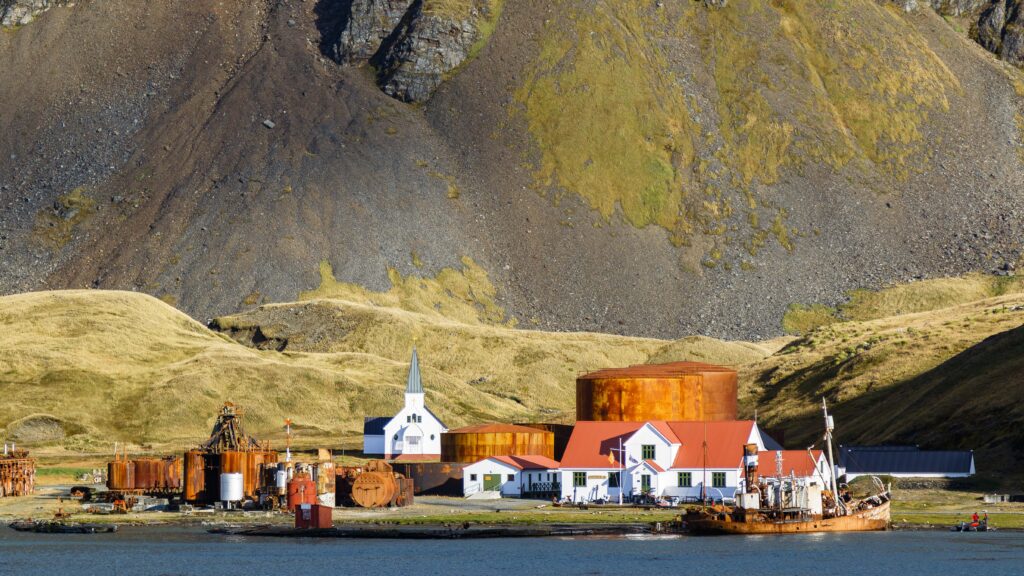
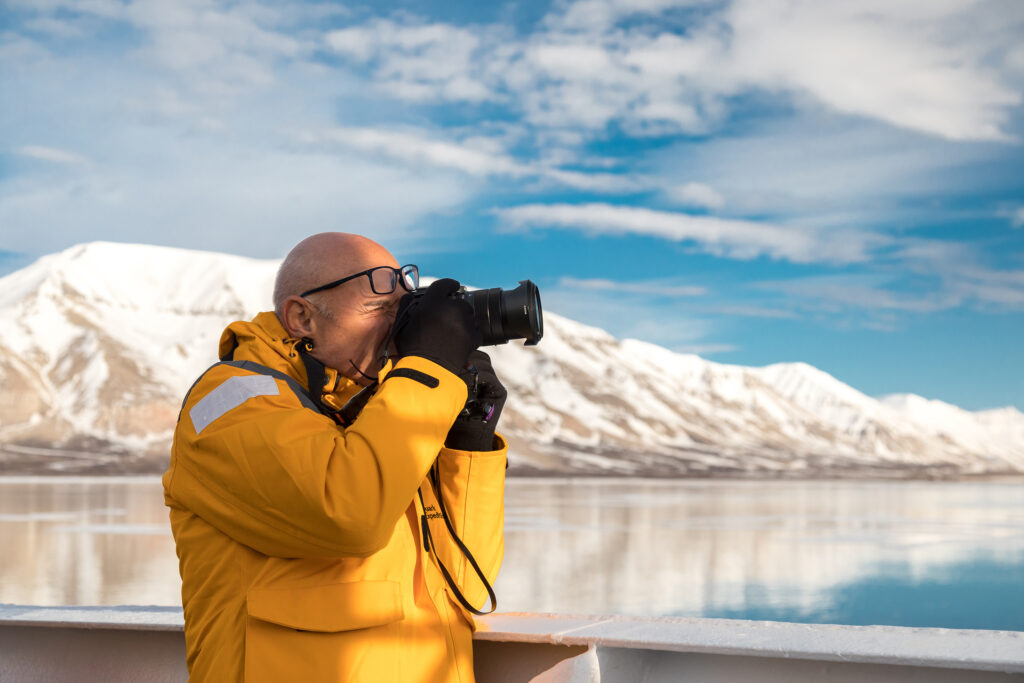
Photo: Quark Expeditions
Off-Ship Activities
Arctic
The Arctic offers a wide range of off-ship activities that allow visitors to immerse themselves in the unique landscapes and cultures of the region. Here are some highlights:
- Dog Sledding: Experience the thrill of dog sledding through the Arctic wilderness. This traditional mode of transportation is a great way to see the landscape and interact with the local dogs.
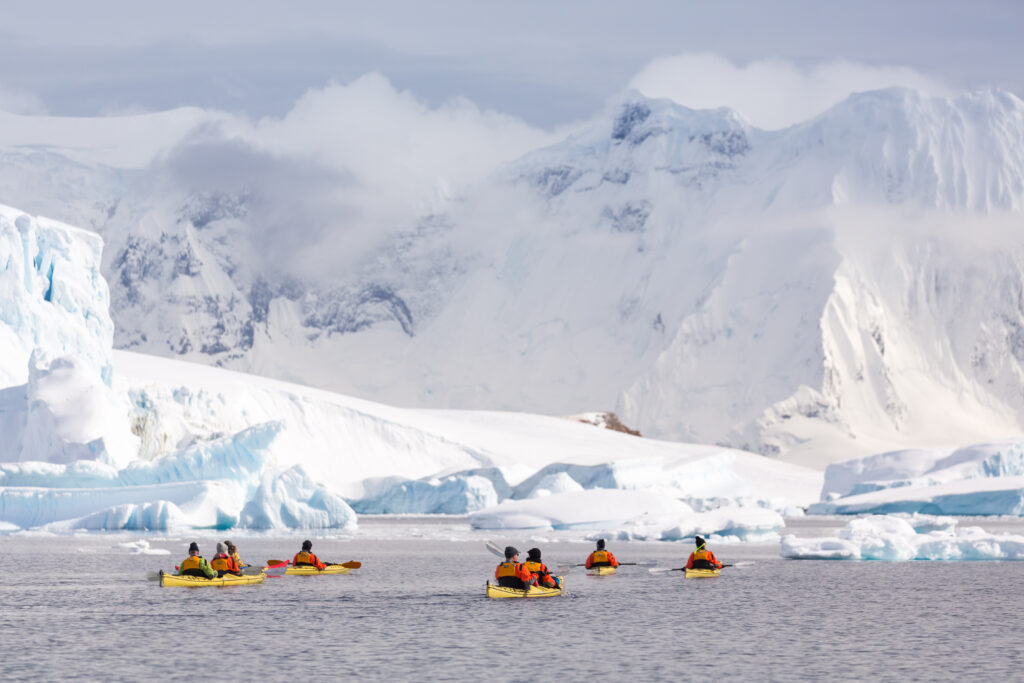
- Kayaking: Paddle through the icy waters of the Arctic on a kayaking excursion. This activity offers a unique perspective on the region's stunning scenery and wildlife.
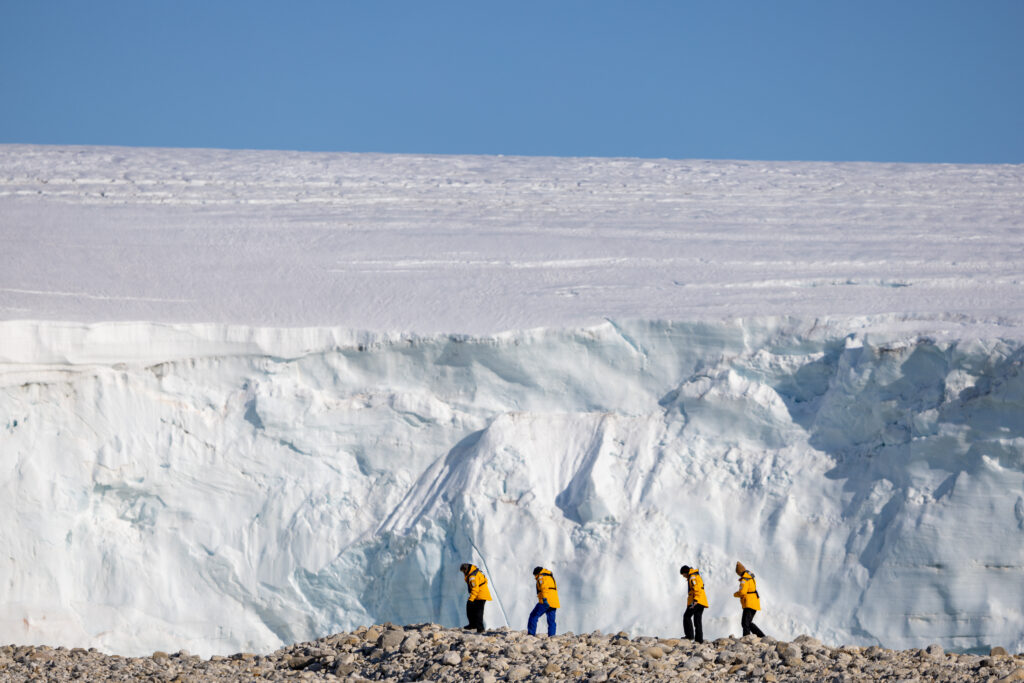
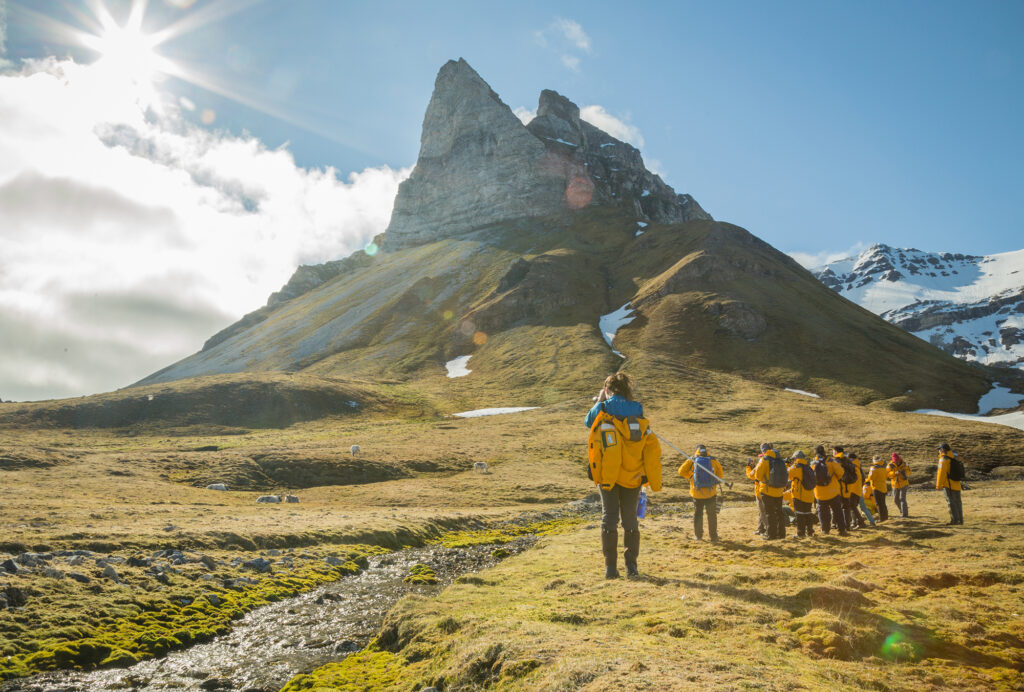
- Hiking: Explore the Arctic tundra on foot with a guided hiking tour. These tours often take you to remote areas where you can see wildlife and learn about the local ecosystem.
- Cultural Tours: Visit local communities and learn about their traditions, history, and way of life. These tours often include visits to museums, cultural centers, and local markets.
- Northern Lights Viewing: If you're visiting during the winter, don't miss the opportunity to see the Northern Lights. Many tours offer guided viewing experiences that take you to the best spots for seeing this natural phenomenon
Antarctic
The Antarctic offers a variety of off-ship activities that allow visitors to explore the continent's unique landscapes and wildlife. Here are some highlights:
- Zodiac Cruises: Explore the Antarctic coastline and towering icebergs on a Zodiac cruise. These tough, inflatable boats allow you to get up close and personal with the stunning scenery and wildlife.
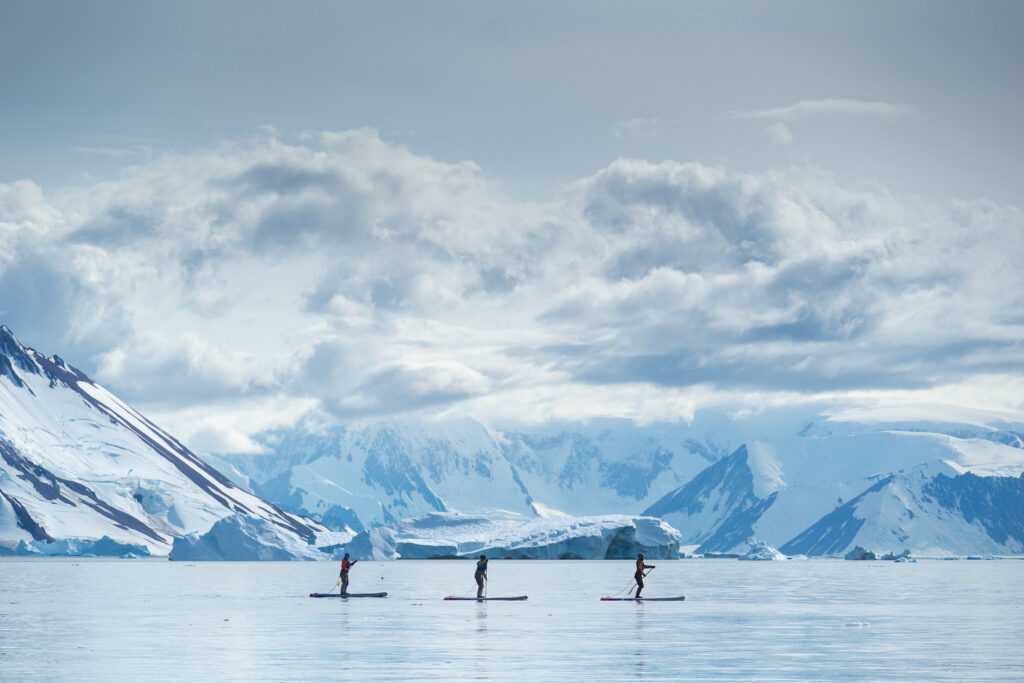
- Kayaking: Paddle through the icy waters of the Antarctic on a kayaking excursion. This activity offers a unique perspective on the region's stunning scenery and wildlife.
- Hiking: Explore the Antarctic landscape on foot with a guided hiking tour. These tours often take you to remote areas where you can see incredible icy vistas and learn about the local ecosystem.
- Camping: Spend a night camping on the Antarctic ice. This unique experience allows you to immerse yourself in the continent's stunning scenery and wildlife while being one of the very few non-scientists to sleep out on land!
- Citizen Science: Assist the expedition staff and on board scientists with recording and collecting data from the environment which is then compiled, studied and used by many organizations to make predictions and study changes in the environment.
- Polar Snorkelling & Scuba Diving: Dive into the crystal-clear waters of the Antarctic for an unforgettable experience. Snorkel or scuba dive among penguins, seals, a variety of fish and maybe even whales in one of the most pristine marine environments on Earth.

Which amazing destination will you visit first?
Whether you're drawn to the Arctic's diverse wildlife and stunning landscapes or the Antarctic's unique creatures and otherworldly scenery, both polar regions offer unforgettable experiences. The best time to visit depends on your interests, but no matter when you go, you're sure to be amazed by the beauty and wonder of these remote and fascinating places.
So, pack your thermals, grab your camera, and get ready for the adventure of a lifetime!
Book a consult with us today to start planning your trip. There are a lot of different ships, options, and activities out there. You want to make sure you get the right one for you for this once-in-a-lifetime trip! Let's make it happen!
Join us for a Travel Talk - April 14, 2026
Curious how expedition cruising differs from regular cruising, or if this type of trip might be for you?
Join us April 14th, 2026 at the Halifax Central Library to learn about Expedition Cruising and these two amazing destinations.
Spaces are limited. RSVP today.